Stripe Chargeback Protection: What It Covers and What It Misses
Stripe chargeback protection reads like a promise on the pricing page. Pay a small percentage, and Stripe swallows the cost of fraudulent disputes. For plenty of businesses, that trade is fair. But the fine print carries more weight than the headline, and a lot of owners learn the hard way that “protection” and “covered” are two different words.
So let’s actually walk it. What you get. What you pay. And the gap it leaves wide open.
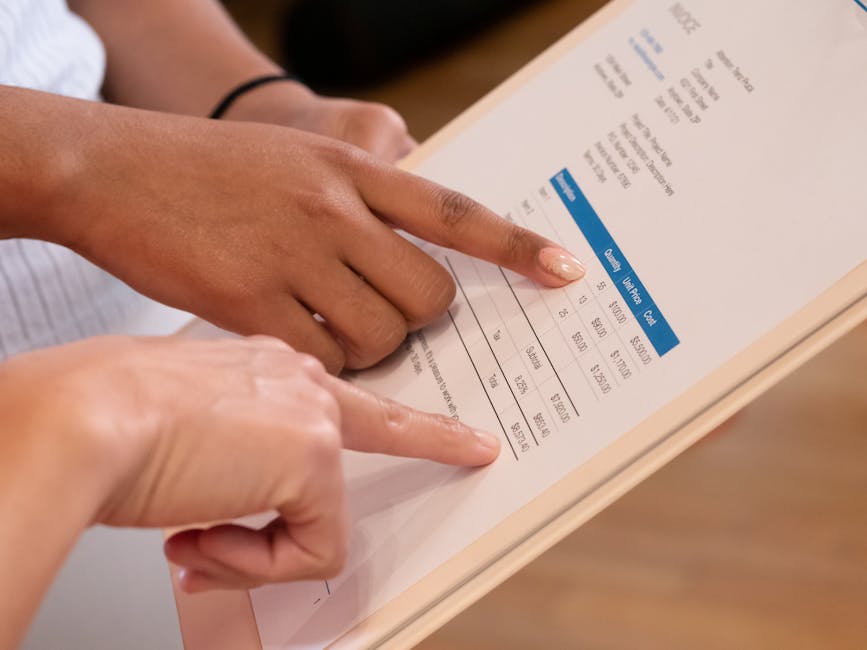
What Stripe chargeback protection actually covers
Short version. Stripe chargeback protection pays you back for disputes that Stripe files under fraud, up to $25,000 a year on your account. A stranger runs a stolen card, the real cardholder disputes the charge, you lose the sale and the goods, and Stripe covers you. That is the exact scenario it was built for.
To qualify you need to run payments through Stripe Checkout, and it is only available in certain regions. You also cannot cherry-pick which charges to route through it. It is all in, or not at all.
The value is genuine if you sell online to people you never meet. Card testing. Fraud rings. Stolen numbers. That is the exact water it was built to swim in, and it swims well.

While you are here, how do your reviews compare?
Type your business name and see where you rank against your competitors. Free, no signup.
Trophy Jar asks every customer for a review automatically, from $9 a month.Start now
The cost math on Stripe chargeback protection
Stripe chargeback protection runs 0.4% per transaction. On a $100 sale, that is 40 cents, stacked on top of your usual processing fee. Doesn’t sound like much. Run a healthy month of volume, though, and it becomes a line your accountant notices.
Now the other side. Every chargeback that lands carries a flat $15 dispute fee, whether the disputed sale was $9 or $900. Lose the dispute and you are out the fee, the revenue, and usually the product too. Suddenly 0.4% looks like cheap insurance. On paper.
The catch is what you are insuring against. If your disputes are mostly real third-party fraud, the math works in your favor. If they are not, you are paying a premium every month for coverage that never pays out.
Stripe Radar and Smart Disputes: stopping trouble earlier
Before a chargeback ever lands, there is Stripe Radar. Radar is the machine-learning layer that scores every payment in real time and blocks the ones that smell wrong. The basic version comes baked in. Radar for Fraud Teams, with custom rules and manual review, costs a few cents more per transaction.
Then there is Smart Disputes, which assembles an evidence packet for you when a dispute does come through, and dispute deflection, which surfaces more order detail to the customer before they reach for their bank. All useful. All pointed at the same target: fewer disputes, less manual scrambling.
Here is what none of it does, though. None of these tools can make a customer remember why they paid you. They cannot answer the question that customer asks himself three weeks later, squinting at a line item he half recognizes.
The gap Stripe chargeback protection leaves open
Here is the part that never makes the marketing page. Most chargebacks are not stolen-card fraud at all. They are friendly fraud. The customer who genuinely bought the thing, then disputes it anyway. Forgot the purchase. Didn’t recognize the descriptor on the statement. Regretted it. Wanted a refund without the bother of asking.
Stripe chargeback protection mostly does not cover that. It reimburses fraud-categorized disputes, and friendly fraud rarely gets categorized that way. So you can pay the 0.4% for months and still lose every dispute that actually shows up, because they are the wrong kind of dispute.
None of this is a knock on Stripe. It is just the shape of the problem. Stripe chargeback protection guards the front door against strangers. But the disputes bleeding most service and product businesses come from customers you already know. And the fix for those is not more protection. It is contact. A reason to remember you, and somewhere to complain that isn’t their bank.
The bottom line on stripe chargeback protection
If there is one thing to take away about stripe chargeback protection, it is that consistency wins. The businesses that get the most out of stripe chargeback protection are the ones that make it a steady habit rather than a one-off push, and let the results build on their own.
Reviews increasingly shape which businesses buyers and search engines trust. For context, see Google’s guidelines on reviews.
A review request after payment catches disputes before they start
Think about the timing. A customer pays. Then nothing. Weeks later the charge looks unfamiliar, they are already mildly annoyed about something unrelated, and the path of least resistance is a quick call to the bank. That is a friendly-fraud chargeback, and it is exactly the kind stripe chargeback protection tends not to reimburse.
Now change one thing. The moment the payment clears, a short review request lands in their inbox. It quietly does two jobs at once. It reminds them who you are while the purchase is still fresh, so the descriptor never reads as a stranger. And it hands them somewhere to vent if something is off, so a small gripe becomes a reply you can fix instead of a dispute you cannot win.
That is the cashflow logic behind automated review collection. Catch the unhappy customer early, before the bank is ever in the room. Trophy Jar automates the whole thing: connect Stripe, and the second a payment goes through, the review request sends itself. No extra step. Nothing to forget.
Frequently Asked Questions
Does chargeback protection cover every chargeback?
No. Stripe chargeback protection reimburses disputes that Stripe categorizes as fraud, up to $25,000 a year. Friendly fraud, where a real customer disputes a purchase they actually made, usually is not covered, and that is the most common type of chargeback for most businesses.
How much does Stripe chargeback protection cost?
It runs 0.4% per transaction, added on top of your normal processing fee. On a $100 sale that is 40 cents. It only pays out on fraud-categorized disputes, so the value depends heavily on what kind of chargebacks you actually get.
What is the difference between Stripe Radar and chargeback protection?
Stripe Radar is fraud prevention that scores and blocks risky payments before they go through. Stripe chargeback protection kicks in after a chargeback happens and reimburses eligible fraud disputes. Radar tries to stop trouble up front; protection covers a slice of what slips past.
Related reading
Keep going: see automated review collection, Stripe review automation.
Stop disputes before your bank ever hears about them
Connect Stripe and let a review request go out the moment a payment clears, so happy customers post and unhappy ones reply to you instead of their bank. Start for $9/month.