How to Price a Painting Job Without Guessing or Underbidding
Here is what nobody tells you when you start out. Figuring out how to price a painting job is the difference between a season that pays your bills and one that quietly bleeds money. And most painters do not lose their profit on the brush. They lose it on the estimate. You walk the room, feel out a number, scribble it on the back of a receipt, and hope it holds. Sometimes it does. Often it does not, and you find that out three coats deep with your stomach in a knot. There is a calmer way to do this. It starts long before you crack open the first can.
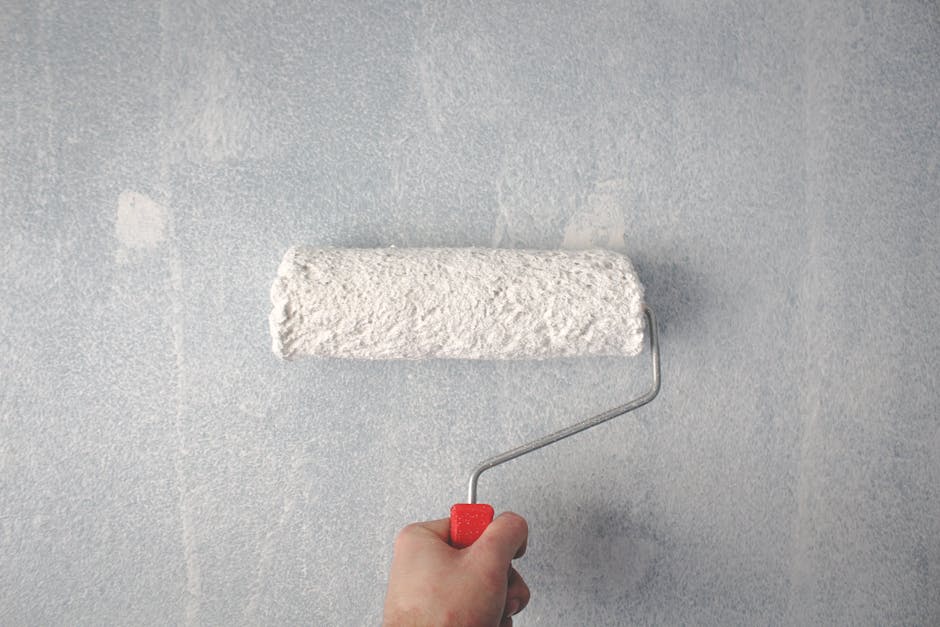
Why guessing at how to price a painting job costs you
Here is the uncomfortable part. When you eyeball a number just to win the job fast, you are almost always the one who pays for it. That extra day cutting in around beat-up trim. The second gallon you never budgeted for. The two hours scraping a ceiling that looked perfectly fine from the floor.
Learning how to price a painting job the right way is really about seeing the whole job before you commit to a number. You want a method you can repeat, not a gut feeling that swings with your mood or how badly you need the work that week. A solid estimate protects your margin. It also makes you look like a pro, which matters more than people think. Homeowners can smell a number pulled out of thin air, and it quietly costs you their trust.

While you are here, how do your reviews compare?
Type your business name and see where you rank against your competitors. Free, no signup.
Trophy Jar asks every customer for a review automatically, from $9 a month.Start now
How to price a painting job by the square foot
The fastest place to start is square footage. In 2026, most interior work lands between $2 and $6 per square foot with paint and materials included. Walls only? Closer to the bottom of that range. Add trim, baseboards, and ceilings and you march toward the $4 to $6 end.
So a single room usually falls somewhere between $400 and $1,200. A full interior repaint on a 1,500 to 2,000 square foot home commonly runs $3,000 to $8,000. Those are ranges, not promises. Textured walls can drink up to 50 percent more paint than smooth ones, and cabinets or crown molding push you well past the base rate because of all the prep and the extra coats.
Square foot pricing is a great sanity check. It is not the whole story, though. Which is exactly why the next method matters.
How to price a painting job by labor hours
Labor is the big one. Across the industry, it makes up roughly 80 to 85 percent of a paint job’s total cost. Get the labor math wrong and nothing else saves you.
Most pros bill somewhere around $25 to $75 per person per hour. A skilled painter covers between 150 and 350 square feet of paintable area an hour, which shakes out to about 1,200 to 2,800 square feet in an eight hour day. Multiply your crew’s hourly rate by the hours the job actually needs, then check that against your square foot number. If the two are miles apart, something in your walk-through is off.
When you approach how to price a painting job through labor hours, you stop underbidding the tricky stuff. A room full of windows, cut-ins, and tight corners eats far more time than an open box with big flat walls, even at the exact same square footage. The hours tell you what the square footage hides.
Materials, prep, and the margin most painters forget
After labor, the rest is materials and prep. Paint, primer, tape, drop cloths, brushes, rollers, filler, sandpaper. Tally it up per job instead of guessing, because a premium paint at $90 a gallon versus a builder grade at $20 moves your bottom line in a hurry.
Prep is the silent profit killer. Patching, sanding, caulking, priming. That work can quietly double your hours on an old house. Walk every wall and price the prep as its own line, never an afterthought.
Then, and people forget this constantly, add your profit margin on top of your costs. Covering your costs is not the same as making money. Knowing how to price a painting job means baking in a real margin, usually 20 to 30 percent, so the business grows instead of just surviving another month. If you run other trades too, the same discipline applies, whether you keep the books yourself or lean on connected tools like a QuickBooks integration to keep the numbers honest.
Put it together into a quote you can defend
Here is the full loop for how to price a painting job. Walk the space and measure. Set a square foot baseline. Estimate the real labor hours. Add materials and prep as their own lines. Layer your margin on top. Then write it down as a clear, itemized quote.
An itemized quote does two things at once. It shows the homeowner exactly what they are paying for, and it hands you a paper trail when someone asks why the textured accent wall cost extra. That transparency wins jobs. Vague numbers lose them.
Do this the same way every single time and pricing stops being a knot in your stomach. It turns into a five minute process you actually trust. That consistency is what separates the painters who scramble for work from the ones who get to pick their jobs. And once your pricing is dialed in, the next lever is just getting in front of more of the right customers.
The bottom line on how to price a painting job
If there is one thing to take away about how to price a painting job, it is that consistency wins. The businesses that get the most out of how to price a painting job are the ones that make it a steady habit rather than a one-off push, and let the results build on their own.
Reviews increasingly shape which businesses buyers and search engines trust. For context, see Google’s guidelines on reviews.
More reviews, more of the painting jobs worth pricing
Nailing how to price a painting job only pays off if the phone keeps ringing. And nothing fills a painter’s calendar like reviews. When a homeowner searches for a painter in your town, the crew with fifty recent five-star reviews gets the call. The one with three gets skipped. More reviews means more inbound leads, which means more jobs to price and more freedom to charge what your work is actually worth. That is the flywheel.
The catch? Happy customers almost never leave a review on their own. You finish a beautiful job, they love it, they mean to write something nice, and then life gets busy and they forget. So the move is to ask automatically, right when the paint is fresh and the goodwill is high.
Trophy Jar handles exactly that. It plugs into the tools you already use and fires off a review request the moment a job is marked done, so every finished project quietly feeds your reputation and your pipeline. You keep painting. The reviews, and the next round of customers, take care of themselves.
Frequently Asked Questions
What is the average cost to price a painting job per square foot?
Most interior painting jobs in 2026 run $2 to $6 per square foot including paint and materials. Walls only sit closer to the bottom of that range, while adding trim, baseboards, and ceilings pushes you toward the top.
How much of a paint job cost is labor?
Labor typically makes up 80 to 85 percent of a painting job’s total cost. Painters bill around $25 to $75 per person per hour and cover roughly 150 to 350 square feet of paintable area each hour, so getting your labor hours right is the single most important part of the estimate.
Should I price a painting job by the hour or by the square foot?
Use both. Square footage gives you a fast baseline, and labor hours catch the tricky work that square footage hides, like rooms full of windows and cut-ins. When the two numbers line up, you can trust your quote. When they disagree, recheck your walk-through.
Related reading
Keep going: see get more reviews on autopilot.
Turn every finished paint job into your next five-star review
You priced the job right and did great work. Now let it bring you the next customer. Trophy Jar auto-sends a review request the moment a painting job is done, so your reputation grows on autopilot. Start for $9/month.