Workflow Automation for Small Business: A Practical Guide
Workflow automation for small business used to sound like enterprise jargon. The kind of thing that needed a consultant, a six-month rollout, and a budget you did not have. That era is over. Now it just means letting software handle the boring, repetitive stuff so you can get back to the work that actually pays. No IT department required.
If you run a small team, you already know the problem. The work you love is maybe half your week. The other half is admin that nobody sees and nobody thanks you for. That half is exactly what software is good at.
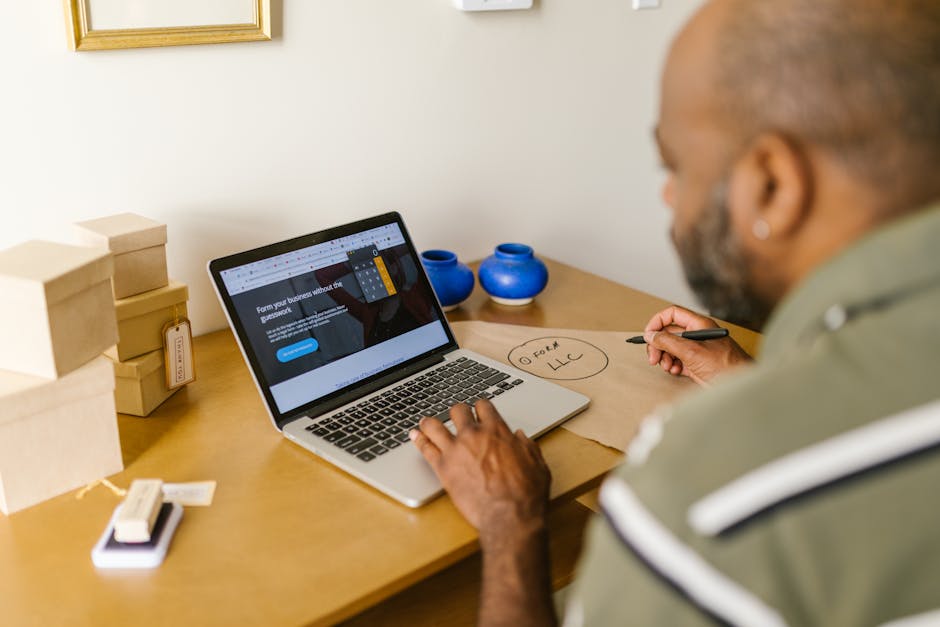
What workflow automation for small business actually is
At its core, it is simple. You pick a trigger, something that happens in your normal day, like an invoice getting paid or a job marked complete. Then software does the next step for you, automatically, every time. No sticky notes. No ‘I’ll get to it later.’
These are tasks that used to need a human. Data entry. Follow-up emails. Scheduling. Copying a client’s details from your CRM into your accounting app and back again. Now they run on rules you set once and forget. That is the whole idea behind workflow automation for small business, and it is why a team of three can suddenly move like a team of thirty.
Think of it as an assistant who never sleeps, never forgets, and never asks for a raise. It just does the thing. Same order, same moment, every time.

While you are here, how do your reviews compare?
Type your business name and see where you rank against your competitors. Free, no signup.
Trophy Jar asks every customer for a review automatically, from $9 a month.Start now
Where the hours actually go
Here is what nobody warns you about when you start a business. You did not sign up to spend your evenings chasing invoices or retyping a customer’s details into three different tools. But that is where the hours go. One small task at a time.
The encouraging part is that the numbers back it up. A 2025 analysis of AI workflow deployments found automation can save employees up to 20 hours a week. Automated scheduling alone hands small business owners back around 5 hours, according to the SBA, time that flows straight into billable work. Stack a few of these together and the total adds up fast.
So workflow automation for small business is not a nice-to-have you get to someday. It is the difference between working in your business and finally getting to work on it.
The numbers that make the case
If you are still on the fence, the adoption data is hard to argue with. Verizon’s 2025 State of Small Business survey found that 82% of small business employers already use at least one automation tool, and the typical business runs about five of them. That is not early adopters anymore. That is the mainstream, and the shops that skip it are the ones falling behind.
It shows up on the bottom line too. Businesses that automate their core processes save an average of $7,500 a year. McKinsey pegs the efficiency gain for automation adopters at 20% to 30%. Those are not rounding errors.
That is real money and real hours back in your week, which is exactly why workflow automation for small business went from luxury to baseline in a couple of short years.
Where workflow automation for small business pays off first
You do not need to automate everything on day one. Honestly, please do not try. Start with the tasks that are boring, repetitive, and rule-based, because those are the easy wins and they build momentum.
Most owners begin in three places. Invoicing and payment reminders, so you stop being your own debt collector. Client onboarding and scheduling, so new customers get a smooth start without you lifting a finger. And follow-ups, the messages you always mean to send and somehow never do.
Good workflow automation for small business connects the tools you already use instead of forcing you to rip them out and start over. Your Stripe. Your QuickBooks. Your CRM. When they finally talk to each other, the busywork in between just quietly disappears. Want to see one of these run end to end? Our guide to automated review collection walks through it step by step.
Pick tools that don’t need a manual
The old knock on workflow automation for small business was that you had to be technical to use it. Spreadsheets full of formulas. Zapier chains held together with hope. That has not been true for a while.
Modern tools are built for busy owners, not developers. One-click connections to the apps you already run. Templates that work out of the box. Sensible defaults, so you are not staring at a blank screen wondering what a ‘webhook’ is. Setup measured in minutes, not weekends.
Look for software that sets itself up, reacts to what actually happens in your business, then stays out of your way. The goal was never more dashboards to babysit. It is fewer things to hold in your head, so you can close the laptop and actually be done for the day.
The bottom line on workflow automation for small business
If there is one thing to take away about workflow automation for small business, it is that consistency wins. The businesses that get the most out of workflow automation for small business are the ones that make it a steady habit rather than a one-off push, and let the results build on their own.
Reviews increasingly shape which businesses buyers and search engines trust. For context, see Google’s guidelines on reviews.
Automate your reviews the same way
Here is a workflow almost every owner forgets: asking for reviews. You finish a great job, you mean to ask the customer to say so publicly, then the next job starts and the moment is gone. The request never goes out. Multiply that by every happy customer you have ever had and you can feel how much goodwill is quietly leaking away.
That is exactly the kind of task workflow automation for small business was built for. A trigger fires, an invoice paid, a deal won, a job marked done, and the review request sends itself. No reminders on your part. No awkward chasing. Smart follow-ups nudge the people who have not replied yet, and only them, so nobody gets pestered.
That is what Trophy Jar does. It plugs into the tools you already run, it treats review collection as one more system humming away in the background, and it sits right alongside the rest of your review management software without you thinking about it. You get on with the job. The 5-star reviews keep arriving.
Frequently Asked Questions
Is workflow automation for small business hard to set up?
Not anymore. Modern tools use one-click connections to apps you already use, ready-made templates, and sensible defaults. Most owners get their first workflow running in minutes. No code, no IT help required.
What should a small business automate first?
Start with tasks that are boring, repetitive, and rule-based. Invoicing and payment reminders, client onboarding and scheduling, and follow-up messages are the usual first wins because they save time immediately and carry low risk.
How much time does automation actually save?
A 2025 analysis found automation can save employees up to 20 hours a week. Automated scheduling alone returns roughly 5 hours to small business owners, according to the SBA, time that flows straight back into billable, revenue-generating work.
Related reading
Keep going: see automated review collection.
Automate the one workflow you keep forgetting
You have automated invoices and scheduling. Now automate your reviews. Trophy Jar sends the request the moment a job wraps or a payment lands, then follows up with the people who have not replied yet, all in the background. Start for $9/month.