How to Start a Real Estate Photography Business That Actually Pays
From the outside, how to start a real estate photography business looks like nothing. Buy a camera. Shoot some houses. Get paid. The real work is quieter. It is the pricing, the turnaround, the first ten agents who decide whether you make rent. This is the version nobody posts on Instagram.
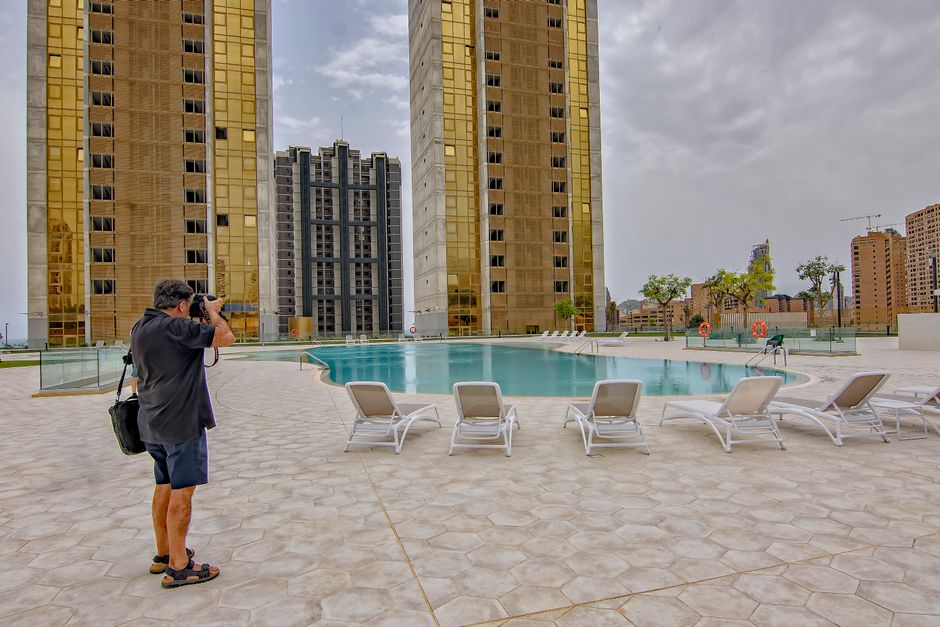
How to Start a Real Estate Photography Business the Smart Way
Homes sell on their photos now. Full stop. Buyers scroll listings on their phones long before they call anyone, and the listings with bright, sharp, wide shots are the ones that get the tap. The data has been saying the same thing for years: homes with professional photos sell roughly 32% faster than the ones shot on a phone. That is why agents guard this line item even when they slash everything else in their budget.
That demand is the whole reason people go looking for how to start a real estate photography business. You are not selling art. You are selling faster sales and cleaner offers to busy agents who have no time to learn lighting and no interest in trying.
So the real starting point is not your camera. It is your buyer. An agent does not care what body you shoot on. They care about a home that shows well, back in their inbox fast, so the listing goes live looking like money. Solve that reliably and you have a business. Miss it and you have an expensive hobby.
While you are here, how do your reviews compare?
Type your business name and see where you rank against your competitors. Free, no signup.
Trophy Jar asks every customer for a review automatically, from $9 a month.Start now
The Gear You Actually Need (and What to Skip)
Here is where beginners face-plant. They drop three grand before their first paid shoot. Don’t.
A capable camera body. One wide angle lens, somewhere in the 16 to 35mm range. A sturdy tripod. A decent off-camera flash. That covers almost every interior you will ever walk into. Genuinely, that is the list. This work rewards consistency, not a bag stuffed with lenses you will never mount.
If you are figuring out how to start a real estate photography business on a tight budget, buy the lens first and the camera second. A good wide angle does more for a cramped bedroom than any sensor upgrade ever will. The drone comes later, once listings are paying for it, and heads up: aerial shots need an FAA Part 107 license before you can legally charge for them. That is not optional.
Editing matters as much as shooting. Maybe more. Bright rooms, straight verticals, windows exposed so you can actually see the yard. That look is your signature, and you can learn it in a weekend of practice on your own apartment.
How to Handle Real Estate Photography Pricing
Money time. Pricing is where most people researching how to start a real estate photography business seize up, so let us make it concrete. Most photographers land between $110 and $500 per listing, and the national average sits right around $230. Where you fall depends on your market and your speed. Beginners often open at $100 to $150 for a small home. Once you have a portfolio, $230 and up is normal. Premium metros run higher, sometimes a lot higher.
You can charge three ways. Per photo, roughly $5 to $20 an image. Per package, a flat fee for a set number of edited shots delivered next day. Or per hour. Packages win for most people, because agents like knowing the number before you ring the doorbell.
The add-ons are where the margin actually hides. Drone coverage runs about $75 to $200 tacked onto a shoot you are already at. Virtual staging sits around $50 a photo. Twilight exteriors, a simple floor plan, a short walkthrough video. Each one lifts the average ticket without adding much time on site. Learn to offer them without sounding like you are upselling.
None of this works if you undercharge out of nerves. Part of learning how to start a real estate photography business is learning to say a fair number out loud without your voice cracking, then delivering work that makes it feel cheap.
Getting Your First Agents (and Keeping Them)
Your first ten clients will not come from ads. They come from showing up. Pick one brokerage. Offer to shoot a single listing at a friendly rate. Deliver it fast and clean. Speed is your entire edge early on, and it is criminally underrated. An agent who gets photos back in twelve hours calls you before they call anyone else. Every time.
Real estate runs on referrals, always has. One happy agent mentions you at the Monday office meeting and suddenly three more have your number. So the quiet secret behind how to start a real estate photography business is not ad spend. It is being the person who is genuinely easy to work with. Answer the phone. Show up on time. Never blow a deadline. Boring, and it works.
Almost everyone learning how to start a real estate photography business lands on the same truth eventually: reputation travels faster than anything you could pay to promote. A short portfolio site and a booking link are plenty. What actually closes the next agent is proof that other agents already trust you. If you want a head start on that side of things, our guide to automated review collection walks through how to gather that proof without chasing anyone down.
Systems Turn a Side Hustle Into a Business
The gap between a person with a nice camera and an actual real estate photography business is systems. A booking calendar. A standard shot list you run every single time. An editing turnaround you never break. An invoice that goes out the same day the shoot wraps, not next week when you remember.
When you plan how to start a real estate photography business for the long haul, build the boring plumbing early. It is what lets you shoot four homes in a day without dropping a ball. It is also what lets you raise prices later without losing a single agent. The photographers who plateau are almost always the ones still running everything on memory and a group text.
Automate the repeatable stuff and you free your attention for the work only you can do: the shoot itself, and the relationships that keep the calendar full. Reputation belongs on that automation list too, and that is exactly where most new photographers quietly leave money on the table.
The bottom line on how to start a real estate photography business
If there is one thing to take away about how to start a real estate photography business, it is that consistency wins. The businesses that get the most out of how to start a real estate photography business are the ones that make it a steady habit rather than a one-off push, and let the results build on their own.
Reviews increasingly shape which businesses buyers and search engines trust. For context, see Google’s guidelines on reviews.
The Engine That Keeps New Agents Coming to You
Here is the part almost nobody plans for when they work out how to start a real estate photography business: the review flywheel. More reviews means more agents find you. More agents means more shoots. More shoots means more reviews. It compounds, quietly, in the background. A photographer with 80 five-star reviews on Google gets picked over a stranger every time, and charges more while doing it.
The catch is obvious the second you are actually busy. Asking for reviews by hand is the first thing you drop when you are on set all day. So it never happens. The flywheel never spins. The fix is not more willpower. It is making the ask automatic instead of something you have to remember at 7pm with a memory card full of houses.
Trophy Jar sends a review request the moment a shoot is marked done or an invoice is paid, then follows up politely, up to three times, with anyone who has not answered yet. Those reviews land on Google and your own site. Your star ratings start showing up in search and in AI tools when agents go looking for a photographer, and new work starts arriving on its own. Trophy Jar is the tool that runs the whole loop for you.
Frequently Asked Questions
How much does it cost to start a real estate photography business?
You can start lean. A capable camera body, one wide angle lens, a tripod, and a flash will get you shooting professional interiors. Skip the drone until listings pay for it, and remember aerial work needs an FAA Part 107 license before you can charge for it. The bigger investment is time spent learning to edit bright, straight, natural rooms.
What should I charge per shoot when starting out?
Most real estate photographers charge between $110 and $500 per listing, with the national average around $230. Beginners often open at $100 to $150 for a small home, then move toward $230 and up once they have a portfolio. Package pricing tends to work best because agents like knowing the number before you arrive, and add-ons like drone or twilight shots lift your average.
How do I get my first real estate photography clients?
Start with one brokerage, offer to shoot a single listing at a friendly rate, and deliver it fast and clean. Speed and reliability win the early referrals. Then make reviews automatic so every happy agent turns into social proof that brings the next three, instead of a thank-you that vanishes by Friday.
Related reading
Keep going: see get more reviews on autopilot.
Turn every shoot into your next three agents
Every home you photograph is a chance to earn a review that brings the next agent to you. Trophy Jar asks for it automatically the moment the shoot is done or the invoice is paid. Start for $9/month.