How to Start a Photography Business From Home (Without a Studio)
Figuring out how to start a photography business from home has almost nothing to do with cameras. It is about turning a skill you already have into paid work. From a spare room. Without a studio lease or quitting your job on a Monday morning. You can start smaller and slower than the Instagram gurus let on. Here is the honest version.
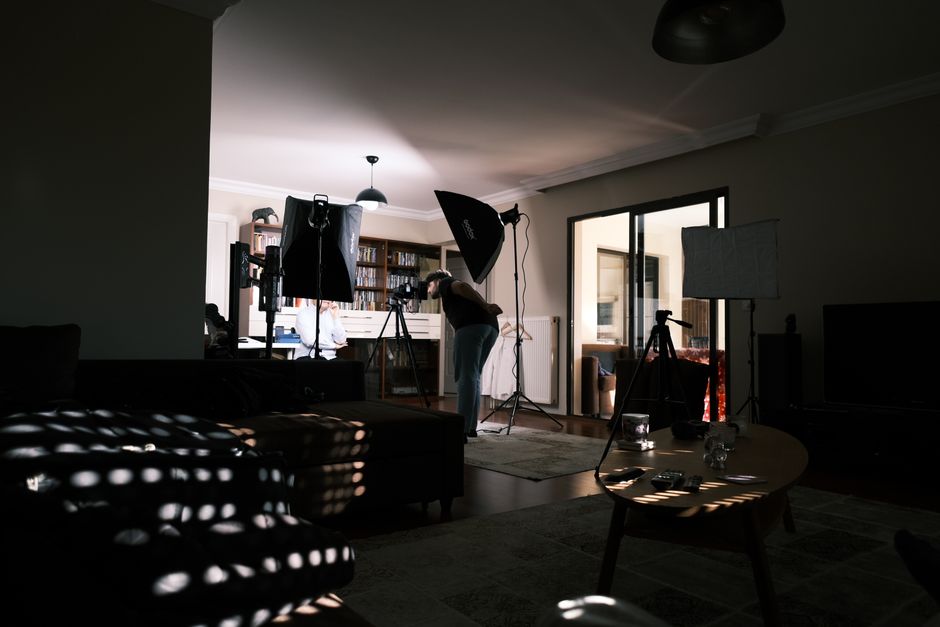
How to start a photography business from home in 2026
Good news first. Figuring out how to start a photography business from home is more doable now than it has ever been. Build a real portfolio, book paying clients, run the whole thing from a laptop and a corner of the living room. No commercial lease. No terrifying loan.
Startup costs get wildly overstated online, so ignore the scary five-figure numbers. If you use gear you already own and skip the studio build-out, a bootstrapped setup runs roughly $500 to $3,000. Plenty of photographers spend far more. You do not have to. Start lean, then reinvest once the bookings actually land.
The rest of this guide walks through how to start a photography business from home in the order that matters, minus the filler.
While you are here, how do your reviews compare?
Type your business name and see where you rank against your competitors. Free, no signup.
Trophy Jar asks every customer for a review automatically, from $9 a month.Start now
Pick a niche before you buy a single lens
One of the first real decisions in how to start a photography business from home is what you actually point the camera at. Weddings. Newborns. Family portraits. Real estate. Product shots for the shop down the road. Pick one lane to start.
Why so narrow? A specific focus reads as more professional, and it helps the right clients find you. “I photograph newborns in the Portland area” beats “I do photography” every single time. You can widen out later, once you have proof and referrals in the bank.
Be honest about where your work is already strongest and build from there. Then sort your space. A converted spare room, good window light, and a clean spot to store gear is genuinely enough to begin. I know photographers still shooting a full book of clients out of that exact setup.
Gear, pricing, and the money math
You do not need a $5,000 kit. Use the camera you have, one or two lenses, a cheap reflector. That covers most portrait and product work. Editing software like Lightroom runs about $10 a month and handles the rest. Buy the expensive stuff when clients are paying for it, not before.
Pricing is where most people freeze when they are working out how to start a photography business from home. So here is a simple rule. Beginners commonly charge $75 to $150 per session, and even brand-new shooters should think twice before dropping below $150 for a full shoot once you count your time, the editing hours, and the wear on your gear.
Want a number that fits your actual life? Take the income you want in a year and divide it by the number of sessions you can realistically shoot. That is your floor. Charge under it and you are running a hobby, not a business.
Register, permits, and the boring-but-important stuff
The legal side of how to start a photography business from home is less scary than it sounds, and skipping it can bite you later. Most photographers start as a sole proprietor or set up an LLC. An LLC costs a bit more, usually somewhere between $50 and a few hundred dollars depending on your state, but it puts a wall between your business and your personal savings if something ever goes sideways.
Working from home means two extra boxes to check. A home occupation permit is required in a lot of areas for a home-based studio, and your HOA or local zoning rules may have opinions about clients coming and going. Sort it early. It is usually a short phone call, not a crisis.
Grab general liability insurance while you are at it. It runs a couple hundred dollars a year, plenty of venues will not let you through the door without it, and it covers you when a light stand meets someone’s laptop. Open a separate bank account too, so the business money and the grocery money stop living in the same place.
Getting your first clients from home
Now the part that actually pays the bills. This is where how to start a photography business from home either takes off or quietly dies in a folder of unpublished photos.
Start with what you can control. Ship a clean four-page site (Home, Services, Portfolio, Contact) with your city in the headings. Claim your Google Business Profile, write a plain description, post fresh photos on a regular basis. Then work your network. Your first handful of clients almost always come from friends, referrals, and local outreach, not from strangers scrolling past you online.
The whole point of how to start a photography business from home is not the one shoot. It is repeat clients and the referrals they drag along behind them. That is why collecting reviews from day one matters so much, and why a bit of automated review collection beats chasing testimonials by hand after every wedding.
The bottom line on how to start a photography business from home
If there is one thing to take away about how to start a photography business from home, it is that consistency wins. The businesses that get the most out of how to start a photography business from home are the ones that make it a steady habit rather than a one-off push, and let the results build on their own.
Reviews increasingly shape which businesses buyers and search engines trust. For context, see Google’s guidelines on reviews.
Reviews are the flywheel your home studio runs on
Here is the growth loop nobody bothers to explain to beginners. More reviews mean more people find you on Google and trust you enough to book. More bookings mean more happy clients. More happy clients mean more reviews. Round and round. For a home photography business with zero ad budget, that loop is basically the whole engine.
The catch: happy clients almost never leave a review on their own. They love the photos, they fully intend to write something kind, and then life gets in the way. You have to ask, at the right moment, every single time. Doing that by hand after every shoot is exactly the kind of job that slips when you are busy actually shooting.
That is the part Trophy Jar takes off your plate. It plugs into the tools you already use, so the moment a gallery lands or an invoice gets paid, a review request goes out on its own. Smart follow-ups nudge the people who forgot, your star ratings start showing up in Google and AI search, and the loop keeps spinning without you touching it. Pair it with proper review management software and your home studio grows in the background.
Frequently Asked Questions
How much does it cost to start a photography business from home?
A bootstrapped, home-based setup typically runs $500 to $3,000 if you use gear you already own and skip a formal studio build. Your main costs are a camera and lens, editing software on a monthly plan, a simple website, and basic business registration. You can add better gear later, funded by paying clients instead of your savings.
How much should a beginner photographer charge per session?
Beginners commonly charge $75 to $150 per session, and most should think twice before going below $150 for a full shoot once you factor in your time, editing hours, and gear. A reliable way to set your rate: divide the annual income you want by the number of sessions you can realistically deliver in a year.
Do I need a license to run a photography business from home?
It depends on your location. Many home-based photographers need a home occupation permit and should check local zoning or HOA rules, especially if clients visit. Most also register as a sole proprietor or LLC and carry general liability insurance, which venues and commercial clients often require before a shoot.
Related reading
Keep going: see get more reviews on autopilot.
Turn every shoot into your next booking
Your home photography business grows on reviews and referrals. Trophy Jar asks for a review automatically the moment a gallery is delivered or an invoice is paid, so the loop keeps spinning while you shoot. Start for $9/month.