Small business cash flow is the pulse of the whole thing. When it stutters, you feel it everywhere. You can be booked solid, profitable on paper, and still sit there on Thursday wondering how payroll clears on Friday. That gap, between money earned and money actually in the bank, is where good businesses quietly die. No jargon here. Just a plain guide to closing it.


Why small business cash flow feels so tight
Here is the part that trips everyone up. Bad small business cash flow is almost never a profit problem. It is a timing problem.
You did the work in March. You send the invoice. Then you wait. If the client is reasonable, the money lands in May. Meanwhile rent, payroll, software, fuel, supplies, they all want paying now, on their schedule, not yours.
The often-cited figure is that roughly 82% of small business failures trace back to poor cash flow management, and here is the twist: most of those companies were not losing money. They were profitable on paper. They just ran out of cash while waiting to get paid.
That lag between earning and holding is the whole story. Close it and the pressure lifts almost overnight. Ignore it and even a growing, in-demand business can stall in a single bad month, staring at a drawer full of unpaid invoices it cannot spend.
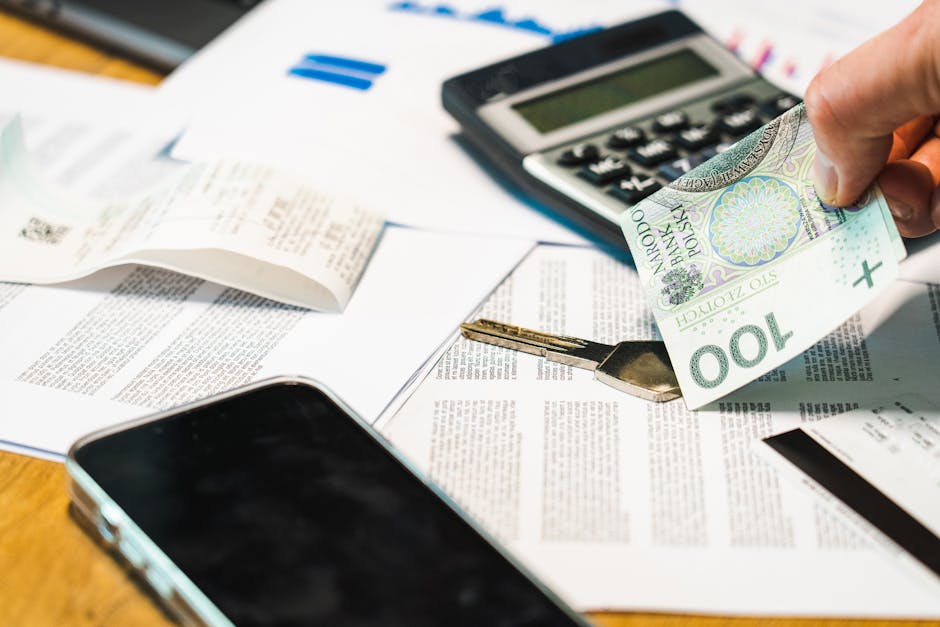
The receivables gap that drains small business cash flow
Nothing squeezes small business cash flow harder than waiting to get paid. Late payments are the single biggest drain, and the numbers are grim.
Roughly 56% of small businesses are owed money on unpaid invoices right now, averaging about $17,500 each. Nearly half report invoices sitting more than 30 days past due, and a stubborn slice of those never get collected at all. When you are small, one slow-paying client can swallow an entire month of margin. You rarely see it coming until the bank balance tells you.
Every day an invoice sits unpaid is a day that money cannot cover payroll, fund the next job, or let you say yes to a new hire. The work is done. The value is delivered. The cash is just stuck somewhere between your customer’s good intentions and your actual account. Fix this one thing, the speed of collection, and you will do more for the business than any cost-cutting spreadsheet ever could.
How to protect small business cash flow, step by step
You do not fix small business cash flow with one heroic move. You fix it with a handful of boring habits that stack up over time.
- Build a 13-week rolling forecast. It is the fastest way to spot a small business cash flow gap while you still have room to act. Short enough to stay accurate, long enough to warn you.
- Invoice the second the work is done. Every day you sit on the invoice is a day added to the wait for your money.
- Chase overdue invoices on a fixed schedule. Polite, automatic, relentless. Most late payers are not broke, they are just disorganized, and a steady nudge moves you up the pile.
- Keep a reserve. Aim for roughly three months of operating expenses in the bank. It turns a bad month from a crisis into an inconvenience.
- Collect with clear terms. Deposits up front, card payments, written due dates. All of it shortens the gap between finishing the work and getting paid.
None of it is glamorous. All of it protects small business cash flow, month after month, no finance degree required.
Small business cash flow management is really a systems problem
The owners who win at this do not run on willpower or a good memory. They build systems that keep running on the busiest, most chaotic weeks, which is exactly when memory fails first.
Automatic invoicing the instant a job closes. Automatic payment reminders on a schedule. Automatic reconciliation between the bank and the books, so you always know your real position. Every manual step you remove is one less thing to forget when three jobs land on the same Tuesday. Same logic behind good automated review collection: set the trigger once, and the work happens without you touching it again.
Cash flow improves the moment collection stops depending on a human remembering to send an email. Treat small business cash flow as a system instead of a monthly scramble and the whole operation gets quieter, steadier, and a lot less stressful to run.
Common small business cash flow mistakes to avoid
Most cash trouble is self-inflicted, and the same few mistakes show up over and over. Spot them early and you are halfway to fixing them.
First: confusing profit with cash. A profit and loss statement can look wonderful while the account sits nearly empty, because profit counts invoices you have sent, not money you have actually received. Second: vague payment terms. If the invoice does not clearly say when payment is due and what happens if it is late, you have quietly handed the client permission to pay whenever they feel like it. Third: treating collections as awkward instead of routine. Chasing money is not rude. It is the job. Do it on a calm, automatic schedule and the emotion drains right out of it.
The last one is scaling too fast. Growth eats cash. You buy materials and hire people before the new revenue actually shows up, and that gap is exactly where small business cash flow gets dangerous. Grow on purpose, keep a reserve, and let the systems do the heavy lifting instead of your nerves.
Reviews increasingly shape which businesses buyers and search engines trust. For context, see Google’s guidelines on reviews.
Where customer reviews protect small business cash flow
Here is a connection most owners miss. The moment a customer pays is also the moment a small crack in the relationship can quietly turn into a chargeback, a dispute, or a silent refusal to pay the next invoice. A review request sent right after payment surfaces that unhappiness while you can still do something about it, which protects money you have already earned.
Happy customers leave a public five-star review that helps win the next job. Unhappy ones tell you privately, before they ever call their bank. Either way you protect small business cash flow: fewer disputes, faster repeat work, and more inbound leads to shorten the dead time between jobs.
Trophy Jar automates exactly this. It plugs into the tools you already run, like Stripe and your accounting software, and auto-sends a review request the moment a payment lands. Every paid invoice becomes two things at once: a cash flow checkpoint and a fresh piece of social proof, working quietly in the background.
Frequently Asked Questions
What is small business cash flow?
Small business cash flow is the movement of money in and out of your business over time. It is not the same as profit. Profit counts invoices you have sent; cash flow is about money you actually hold. A business can be profitable and still run out of cash if payments land later than the bills fall due.
Why do profitable small businesses still run out of cash?
Because profit and cash are not the same thing. You may have earned the money on paper, but if clients pay 30, 60 or 90 days late while payroll and rent are due now, that timing gap can leave you insolvent. The often-cited figure is that roughly 82% of small business failures trace back to poor cash flow management, not a lack of profit.
What is the fastest way to improve small business cash flow?
Speed up collection. Invoice the instant the work is done, set clear payment terms, and chase overdue invoices on an automatic schedule. Getting paid a week or two sooner across every client frees up more cash than almost any cost cut, and automating it means it actually happens instead of slipping your mind.
Related reading
Keep going: see automated review collection.
Turn every paid invoice into cash flow protection
Trophy Jar auto-sends a review request the moment a customer pays, so you catch disputes early and win the next job faster. Start for $9/month.