Failed Stripe payments are the leak almost nobody watches. You close the deal. You deliver the work. The invoice goes out, the card gets charged, and somewhere in the background it just does not go through. No angry email. No cancellation. The money simply never lands, and you usually find out weeks later, staring at the books, wondering where a chunk of the month went.
Here is the part that stings. Most of these declines have nothing to do with the customer wanting out. The card expired. The bank got twitchy. There was not enough in the account on that particular Tuesday. Small stuff. Left alone, though, that small stuff quietly turns into lost customers and lost cash.

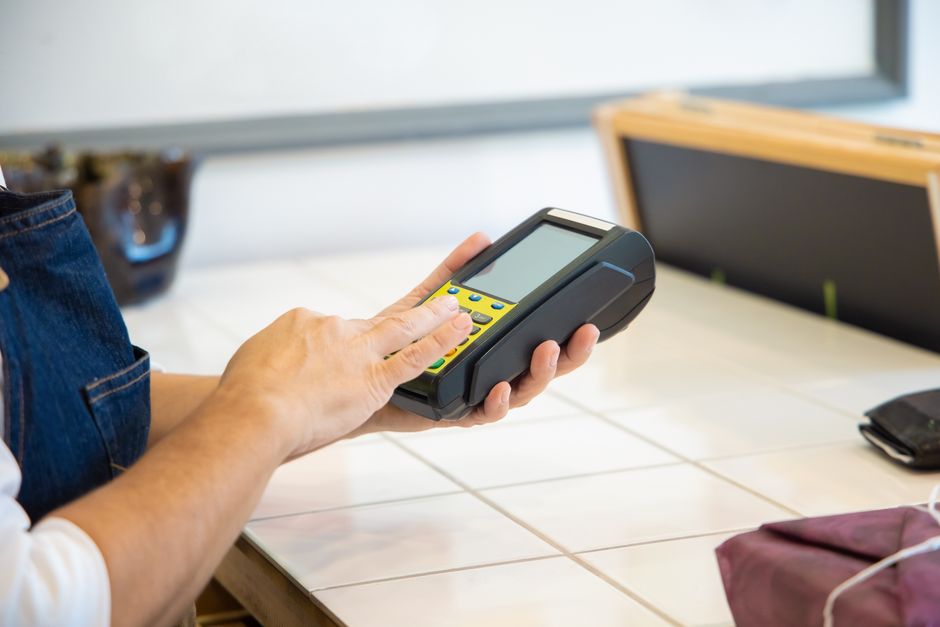
Why failed Stripe payments happen more than you think
Most owners assume a decline means a dead card or a customer who bailed. The data says otherwise. Look across millions of failed subscription charges and insufficient funds is the single biggest culprit, somewhere around 40 percent of all failures. The card was fine. The account just came up short that day.
The rest split into a few tidy buckets. Generic bank declines, where the issuer says no and gives you nothing to work with, take another big slice. Expired cards run a steady 15 to 20 percent. And a growing share now comes from the extra authentication rules in Europe and the UK, where the bank wants one more tap before it lets the money move.
Here is why that matters. Nearly all of it is recoverable. Stripe stamps every charge with a decline code and an advice code, so it tells you both what broke and what to do about it. An expired card needs a new number. Insufficient funds just needs a retry a few days later, ideally near payday. Treat every decline the same and you leave good money on the table.

What failed Stripe payments actually cost you
Run the numbers and it gets uncomfortable fast. Industry estimates put payment failures at 6 to 12 percent of a merchant’s annual recurring revenue. And for subscription businesses, involuntary churn, the kind driven by failed Stripe payments rather than an actual decision to cancel, accounts for 20 to 40 percent of all churn. In some verticals it is the majority of everyone who leaves.
Sit with that for a second. A big share of the people walking out the door never chose to. Their card hiccuped, nobody chased it, and the subscription just lapsed. You paid real money to win those customers. You lost them to a bank code.
The upside is that this is about the most fixable problem you have. Businesses that let declines sort themselves out recover almost nothing. The ones that put a real process behind it claw back a lot. Stripe’s own recovery tools win back an average of 57 percent of failed recurring charges, and the sharpest operators push past 65 percent. That is money you already earned, just sitting there waiting to be collected.
How to recover failed Stripe payments without hounding people
Recovery comes down to timing and tone. Start with smart retries. The card networks cap how many times you can retry a single charge, and Mastercard is tighter about it than Visa, so hammering the card over and over does nothing but invite fines and a bank that trusts you less. Space the attempts out instead. For an insufficient funds decline, retrying at 24 hours, then three days, then five tends to catch the next payday, when there is actually money in the account.
Match the message to the reason. An expired card needs a friendly nudge to update the details, not a retry. A genuine hard decline, where the bank flatly refuses, needs a human conversation. Roughly 60 to 70 percent of declines are at least partly recoverable through retries plus a bit of clear communication, which means the words you send matter every bit as much as the schedule you send them on.
And keep it human. The businesses that recover the most failed Stripe payments do not read like a collections agency. They send a short, warm heads up: hey, your card did not go through, here is a one click link to fix it, thanks. Because Trophy Jar sits right on top of your Stripe integration, the event that matters most, the one where money actually moves, is already flowing through a system you can build on.
Turn a payment moment into proof you are worth paying
Here is the shift most people miss. The moment a payment succeeds, whether it is the first charge or the retry that finally clears, is the single best time to ask a customer how things are going. They just paid you. They are engaged. Their card works. If something was quietly nagging at them, this is the moment it comes out, before it curdles into a chargeback or a silent cancel next month.
Chasing declines is defense. Catching problems the instant a payment clears is offense. Reach out right after money changes hands and you pull off two things at once. You confirm the customer is happy, and you give the happy ones an easy way to say so in public. One flow protects the revenue you nearly lost. The other grows it.
This is exactly why automating the moment pays off. A payment clearing in Stripe should not just tick a box on a spreadsheet. It should fire a real, well timed check in, so the same event that used to mean a failed Stripe payments headache becomes the start of a stronger relationship instead. Want the full playbook on wiring these triggers up? Our guide to automated review collection walks through it.
The bottom line on failed stripe payments
If there is one thing to take away about failed stripe payments, it is that consistency wins. The businesses that get the most out of failed stripe payments are the ones that make it a steady habit rather than a one-off push, and let the results build on their own.
Reviews increasingly shape which businesses buyers and search engines trust. For context, see Google’s guidelines on reviews.
Catch disputes before they cost you
A payment clearing is not the finish line. It is a signal. The customer is active, the card works, and for a few days they are paying close attention to the thing they just bought. That window is exactly when a quiet frustration is most likely to surface. Far better to hear it now than to discover it later as a chargeback you have to fight after the fact.
Send a short review request the second a payment lands and you flip the whole dynamic. Happy customers leave you a public five star review. Unhappy ones tell you privately, in-app, while there is still time to fix it and keep the money. Either way, you learn the truth days before it would ever show up on your Stripe dashboard as a reversal.
Trophy Jar automates exactly that. It connects to Stripe and the rest of your tools, fires a request the moment a payment goes through, and routes glowing feedback to Google or a directory while flagging the critical stuff straight to you. Every cleared payment becomes both a review and an early warning system, with no extra work on your end.
Frequently Asked Questions
Why do Stripe payments fail even when the card is valid?
Most failed Stripe payments are not broken cards. Insufficient funds alone causes roughly 40 percent of declines, which means the card is fine but the account came up short that day. The rest come from bank fraud flags, expired cards, or the extra authentication rules in Europe and the UK. That is why simply retrying near the customer’s next payday recovers so many charges.
How much revenue do failed Stripe payments actually cost?
Payment failures typically run 6 to 12 percent of a business’s annual recurring revenue, and for subscription companies this involuntary churn can drive 20 to 40 percent of all customer loss. The encouraging part: Stripe’s recovery tools win back an average of 57 percent of failed recurring charges once you put a real process behind them.
When is the best time to ask a customer for a review?
Right after a payment succeeds. The customer is engaged, their card is working, and they are paying attention to what they just bought. A review request at that moment surfaces any hidden frustration early, gives happy customers an easy way to praise you publicly, and lets you catch potential disputes before they turn into chargebacks.
Related reading
Keep going: see automated review collection, Stripe review automation.
Turn every cleared payment into a review
Stop letting payment moments slip past. Trophy Jar connects to Stripe and asks for a review the second money lands, so you catch disputes early and win public five star reviews from the customers who are happiest. Start for $9/month.