A good saas pricing strategy is the difference between a product that quietly compounds and one that sits at the same revenue for three years running. Most founders pick a number in an afternoon, feel a small flicker of doubt, then never look at it again. That flicker was right. Pricing is not a one-time decision. It is a system you run, and getting it wrong costs you more than any feature you will ever ship.


Your saas pricing strategy starts with value, not cost
Here is the trap almost everyone walks into. You add up your server bills, your salaries, a bit of coffee, slap a comfortable margin on top, and call it a price. It feels safe. It is also almost always wrong.
In software, the cost to serve one more customer rounds to basically nothing. So cost-plus pricing, the thing that makes perfect sense in a factory, leaves most of your money sitting on the table in SaaS. The stronger move is to anchor your saas pricing strategy to the value a customer actually gets, not what the code costs you to run. If your tool saves an agency ten hours a week, the price should reflect a slice of that time. Not the cost of a database row. Salesforce found that companies pricing on value report 14 to 19 percent higher revenue per user than the ones stuck on cost-plus. That is real money. And it comes from a mindset shift, not a rewrite.

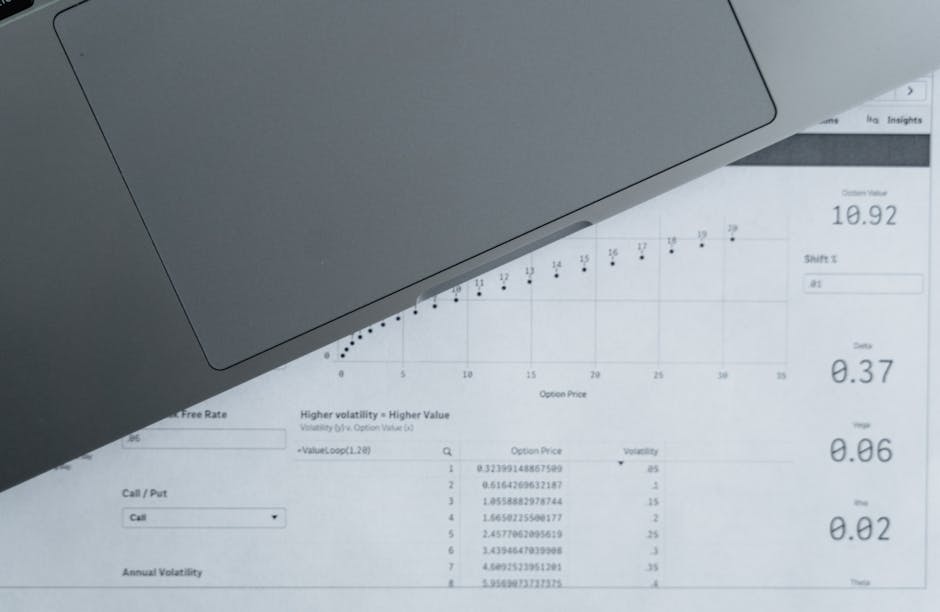
The three ways to set a price
Every saas pricing strategy traces back to one of three anchors. It helps to name them plainly.
Cost-plus, where you mark up your costs. Easy to calculate, and usually too cheap. Competitor-based, where you study what everyone else charges and land just above or just below. That one feels responsible, and honestly it earns its keep when you are brand new and need a reference point. Lean on it too hard, though, and you end up in a race to the bottom, where nobody makes money and nothing you offer stands out. Then there is value-based, where you price against the outcome the customer walks away with.
Value-based takes the most work. It also pays back the most. You have to understand what your product is genuinely worth to the person buying it, which means talking to customers and watching how they actually use the thing. Nobody ever said the good approach was the lazy one.
Pricing tiers that guide people upward
Once you have picked your anchor, you need structure. For most software that means pricing tiers. Good tiers are not three random feature buckets you dreamed up on a Friday afternoon. Each one should map to a real person: the solo operator, the growing team, the established business. Each should feel like the obvious pick for that exact customer, not a puzzle they have to solve.
A clean set of pricing tiers does two jobs at once. It lets a nervous first-timer start small and cheap, so the risk of trying you feels tiny. And it gives a growing customer an obvious next step as they pull more value out of you. That upgrade path is where a surprising amount of quiet revenue hides. Your saas pricing strategy should make the move from one tier to the next feel like a reward the customer earned, not a toll booth they resent. When the jump maps to real value, people take it without a fight.
Value-based pricing in practice
Value-based pricing sounds abstract right up until you tie it to a number your customer already cares about. That number is your value metric. Seats, contacts, transactions, revenue processed, jobs completed, whatever grows as the customer gets more out of you. Pick the metric that tracks value most honestly and your saas pricing strategy suddenly feels fair to both sides of the table. The customer pays more only when they are getting more. Hard to argue with that.
The whole market is drifting this way, fast. Roughly 43 percent of SaaS companies already run some hybrid setup, a base subscription with a usage layer on top, and analysts expect that to cross the majority mark by the end of 2026. So this is becoming the default, not the clever exception. You do not have to reinvent your saas pricing strategy overnight to catch the wave. Start with a solid base plan. Add one usage lever that maps to value. Watch what happens over a quarter, then adjust.
Common saas pricing strategy mistakes
A handful of patterns show up again and again. Worth naming so you can catch yourself. Setting a price once and never revisiting it. Pricing on cost out of pure fear. Copying a competitor line for line and calling it research. Cramming ten features into a single tier until nobody can parse what they are actually buying.
The fix is boring, and it works. Treat your saas pricing strategy as a living thing. Run a small experiment. Raise a plan after you ship something that genuinely earns it. Watch churn and conversion move, then adjust and repeat. Companies that price on value rather than cost tend to grow noticeably faster; OpenView has put that edge around 25 percent. A saas pricing strategy is never really finished, and that is the good news, because every small improvement compounds on the last. Price is one of the few levers you can pull that flows straight to the bottom line with no extra cost to build.
Reviews increasingly shape which businesses buyers and search engines trust. For context, see Google’s guidelines on reviews.
From pricing power to a growth flywheel
Here is the part most pricing guides quietly skip. The sharpest saas pricing strategy in the world still needs a steady stream of new customers walking through the door. Otherwise you are just optimizing the price of a shrinking pie, and no amount of clever tiering fixes that.
That stream comes from proof. Every happy customer who leaves a review turns into a tiny billboard. Your star ratings start showing up in search on Google and Bing, and AI assistants like ChatGPT, Claude and Gemini begin recommending you by name when someone asks for a tool like yours. More reviews means more inbound, and more inbound means the tiers you tuned so carefully actually get seen by people ready to buy. That is the review flywheel: reviews bring customers, customers bring reviews, and the whole thing spins faster the longer it runs. A serious review management software setup is what keeps it turning.
The catch is that asking for reviews by hand never scales past your first few dozen customers. Trophy Jar automates it. It plugs into the tools you already use and sends a review request the moment a job is done or a payment clears, then follows up with the people who forgot, all through automated review collection. So your growth engine keeps running in the background while you go back to fine-tuning the price.
Frequently Asked Questions
What is the best saas pricing strategy for a new product?
For most new products, start with value-based tiers and use light competitor research only as a sanity check. Anchor each tier to a value metric your customer already cares about, keep the entry plan cheap enough to remove the risk of trying you, and plan to revisit the numbers every quarter as you learn what people actually pay for.
How is value-based pricing different from cost-plus?
Cost-plus starts with what the product costs you to build and adds a margin. Value-based pricing starts with the outcome the customer receives and charges a slice of that value. In SaaS, where the cost to serve one more user is near zero, value-based pricing usually captures far more revenue, often 14 to 19 percent higher per user.
How many pricing tiers should a SaaS product have?
Three is the common sweet spot. Each tier should map to a distinct customer, the solo operator, the growing team, and the established business, with a clear upgrade path between them. More than four tiers usually creates confusion and slows the buying decision rather than helping it.
The bottom line on saas pricing strategy
If there is one thing to take away about saas pricing strategy, it is that consistency wins. The businesses that get the most out of saas pricing strategy make it a steady habit, not a one-off push.
Related reading
Keep going: see get more reviews on autopilot.
Fill those pricing tiers with paying customers
A great pricing page only pays off when new customers keep arriving. Trophy Jar turns every finished job and paid invoice into a fresh 5-star review that pulls the next customer in, automatically. Start for $9/month.