How to start a cleaning business from home looks like a simple search. Then you sit down to actually plan it, and it splinters into a hundred smaller questions. Licenses? Insurance? What do I even buy first? Breathe. The bar to get going is genuinely low here, lower than almost any other business you could start this year. This is the plain-English version. Real numbers, no filler.

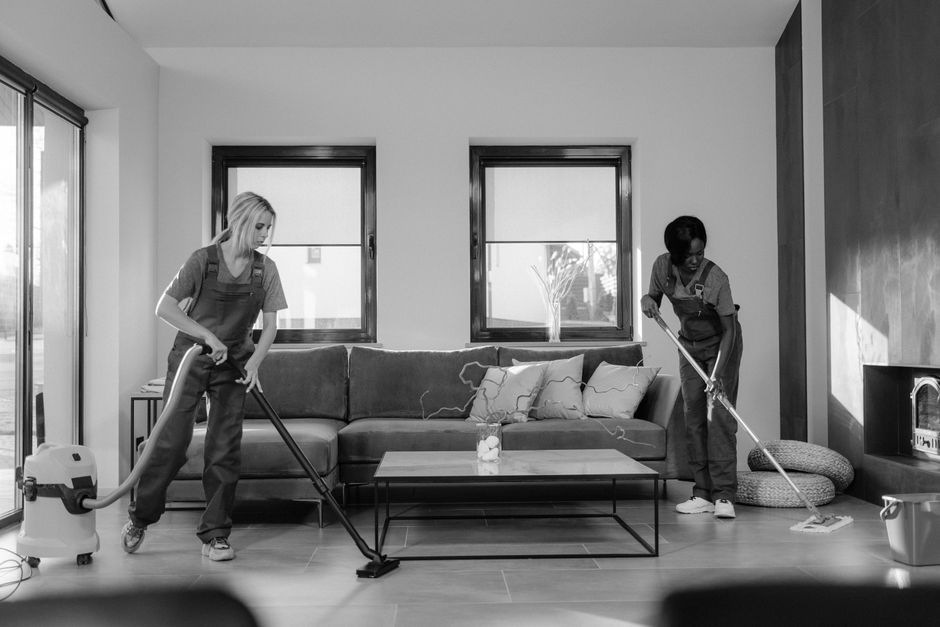
Why so many people search how to start a cleaning business from home
Thousands of people a week type how to start a cleaning business from home into a search bar. It makes sense. There is no office to rent. No warehouse. No degree hanging on a wall. You need supplies, a car that starts every morning, and the discipline to show up when you said you would. That is close to the whole list.
The market backs you up, too. The US cleaning services industry is worth somewhere north of $90 billion a year and still growing at roughly 6 percent. Here is the part that matters: most of that money runs through small, local operators who started exactly where you are sitting. So if you have been quietly researching how to start a cleaning business from home, stop treating it like a long shot. It is a real, accessible opportunity.

What it really costs to get started
Let us talk money first, because that is usually where people get stuck. A solo residential setup runs about $1,000 to $3,000 to launch. Supplies, basic insurance, a little marketing. Want to go bigger from day one, with commercial-grade equipment and paid ads? Budget $5,000 to $10,000. Most people reading this do not need to.
The move on a tight budget is boring but effective: buy nothing you do not need yet. A decent vacuum, a stack of microfiber cloths, a good mop, solid cleaning solutions, and a box of gloves will carry you through your first jobs. Honestly, plenty of clients would rather you use the products already under their sink. Start lean. Reinvest once actual cash is showing up.
Licenses, insurance, and the boring stuff that protects you
Before you clean a single house, there is a short paperwork section to clear. Most states do not require a special cleaning license. You will probably need a general business license, usually $50 to $200, and some cities also want a home occupation permit, since you are technically running a company out of your house.
Insurance is the part people skip and later regret. General liability coverage averages around $48 a month. Add a surety bond, roughly $100 to $500 a year, and you protect clients against theft or accidental damage. That bond is not just paperwork. It is a trust signal, and it wins you jobs over the cheaper, uninsured person down the street. Any serious plan for how to start a cleaning business from home keeps this line in, even when money is tight.
How to start a cleaning business from home and land your first clients
You do not need a polished website to book your first five clients. Learning how to start a cleaning business from home is mostly learning how to find people who will pay you to clean their space. Set up a free Google Business Profile. Tell everyone you know. Post in the local neighborhood groups. One happy customer who refers you will fill more of your week than any ad ever will.
The people who move fastest treat how to start a cleaning business from home as a sales problem, not a cleaning problem. The scrubbing is the easy part. Getting strangers to know you exist, and to trust you inside their home, is the actual work. Price fairly. Show up on time. Do good work. And do not disappear the second the job is done, because the follow-up is where repeat business quietly lives.
The systems that separate a hobby from a business
Get a handful of regulars, and the wheels can come off fast if you are winging it. Double-booked mornings. An invoice you forgot to send. That one client who swears you never confirmed the time. This is the moment how to start a cleaning business from home turns into how to actually run one, and it sneaks up on you.
Pick a few simple tools early, before the chaos. A scheduling app, an easy way to invoice, and a payment processor like Stripe cover most of it. Then build one habit from day one: ask every happy customer for a review. If you want the industry-specific playbook, the guide to reviews for cleaning companies is worth ten minutes. That single habit compounds harder than almost anything else you will do.
A realistic first 30 days
Here is what a sane first month looks like. Week one: sort the business license, insurance, and a basic supply kit. Week two: set up your Google Business Profile and tell your entire network you are open. Week three: take two or three jobs, even at a friends-and-family rate, so you walk away with proof and photos. Week four: nudge the price up, ask each of those first clients for a review, and ask if they know anyone else who needs help.
That is it. No loan, no storefront, no team. Most of the overwhelm around how to start a cleaning business from home comes from trying to do all of it at once. You do not have to. You need one clean first job, a way to get paid, and a steady drumbeat of proof that you are good at this.
Reviews increasingly shape which businesses buyers and search engines trust. For context, see Google’s guidelines on reviews.
More reviews, more inbound: the cleaning business flywheel
Here is the part most new cleaners underrate. Every review you collect is not just a nice pat on the back. It is a tiny billboard that keeps working while you sleep. More reviews push you higher in local search. Higher in search puts you in front of more people. More people book you, and then they leave more reviews. That loop is the flywheel, and it is the closest thing to free growth a home cleaning business gets.
The catch: asking for reviews by hand falls apart the second you get busy. You finish a job, you are already backing out of the driveway toward the next one, and the request never gets sent. So the flywheel stalls right when it should be spinning fastest.
Trophy Jar handles exactly that part. It plugs into the tools you already use and fires off a review request the moment a job is marked done or an invoice is paid, then quietly follows up with anyone who went quiet. You keep cleaning. The reviews, and the customers they pull in, keep coming.
Frequently Asked Questions
How much does it cost to start a cleaning business from home?
Most solo, residential cleaning businesses launch for $1,000 to $3,000, which covers supplies, basic insurance, and light marketing. A bigger operation with commercial-grade equipment and paid ads can run $5,000 to $10,000. You can start lean and reinvest as the cash comes in.
Do I need a license to start a cleaning business from home?
Most states do not require a specific cleaning license, but you will usually need a general business license (around $50 to $200) and sometimes a home occupation permit. General liability insurance (about $48 a month) and a surety bond are strongly recommended to protect your clients and win more jobs.
How do I get my first cleaning clients?
Start with a free Google Business Profile, tell everyone in your network, and post in local neighborhood groups. Do great work on your first few jobs, then ask each happy client for a review and a referral. Word of mouth and online reviews fill a cleaning calendar faster than paid ads.
The bottom line on how to start a cleaning business from home
If there is one thing to take away about how to start a cleaning business from home, it is that consistency wins. The businesses that get the most out of how to start a cleaning business from home make it a steady habit, not a one-off push.
Related reading
Keep going: see reviews for cleaning companies.
Turn every clean job into your next customer
Your best marketing is the review you forgot to ask for. Trophy Jar sends it automatically, every time a job wraps or an invoice clears, so your calendar fills while you work. Start for $9/month.